


Key Takeaways
- Certain phrases can cause confusion, frustration, or distress for someone with dementia.
- Small shifts in how you speak can make a big difference in how your loved one feels.
- Meeting someone in their reality, rather than correcting them, builds trust and comfort.
- Calm, simple language and a warm tone go a long way in daily communication.
- Memory care communities offer trained support that can ease the journey for the whole family.
Words That Shape How Your Loved One Feels
When someone you love is living with dementia, conversations can start to feel uncertain. You might not always know what to say, and sometimes the words that come naturally can actually make things harder for them. The good news is that a few thoughtful changes can shift the entire tone of your time together. At Fairway Pines Senior Living, this kind of compassionate, day-to-day communication is something the team takes deeply to heart.
Knowing what not to say, and what to say instead, can help your loved one feel safer, calmer, and more connected to you. It doesn’t take a complete overhaul of how you communicate. Sometimes it’s just one phrase swapped for a gentler one. If you’re navigating this journey, exploring the memory care program at Fairway Pines can offer helpful guidance and peace of mind for your whole family.
Phrases That Can Cause Confusion or Distress
Questions That Are Too Hard to Answer
Asking “Do you remember…?” might feel like a natural way to connect, but for someone with memory loss, it can feel like a test they know they’ll fail. Short-term memory loss makes recall painful, and questions like “What did you do today?” can leave your loved one feeling overwhelmed or embarrassed. Learning about the early warning signs of dementia can also help you understand why certain questions are harder to process than others.
Instead, try sharing a memory yourself or simply being present in the moment. Saying “I was thinking about that time we…” takes the pressure off them and invites a warmer, more relaxed exchange.
Responses That Dismiss or Correct
It’s tempting to correct someone when what they’re saying doesn’t match reality. But phrases like “That’s not right” or “No, that’s not what happened” tend to shut down conversation and can cause real frustration or withdrawal. Repeated correction can make your loved one feel dismissed rather than supported.
Meeting them in their reality, even when it differs from yours, is a more compassionate approach. You don’t have to agree with everything, but you can acknowledge how they feel and gently redirect the conversation. The Alzheimer’s Association offers helpful context on why dementia affects communication and behavior the way it does.
20 Things to Avoid Saying and What to Say Instead
Phrases to Stop Using
Some of the most common things people say with good intentions can still land the wrong way. Here are phrases worth leaving behind:
- “Don’t you remember me?”
- “I already told you that.”
- “You’re wrong about that.”
- “You just said that.”
- “Why do you keep asking me that?”
- “You need to try harder to remember.”
- “That never happened.”
- “You’re confused again.”
- “Just calm down.”
- “Do you know what day it is?”
- “What’s my name?”
- “You already ate.”
- “Stop acting like that.”
- “That’s not your husband/wife/child.”
- “You don’t need to worry about that.”
- “You can’t do that anymore.”
- “We’ve been through this.”
- “You’re being difficult.”
- “Don’t be silly.”
- “You know better than that.”
Gentler Alternatives That Actually Help
For almost every phrase above, there’s a warmer option that keeps the connection alive. Use simple, familiar language your loved one can follow without strain. Rather than pointing out what’s wrong, try redirecting with something like, “Let’s go get a snack together” or “I’d love to sit with you for a bit.”
Focus on feelings rather than facts. If your loved one thinks it’s 1975, you don’t need to correct the year. What matters is that they feel safe and loved right now. A calm voice and a gentle touch can communicate more than the right answer ever could.
How to Support a Loved One with Dementia Day to Day
Communication Habits Worth Adopting
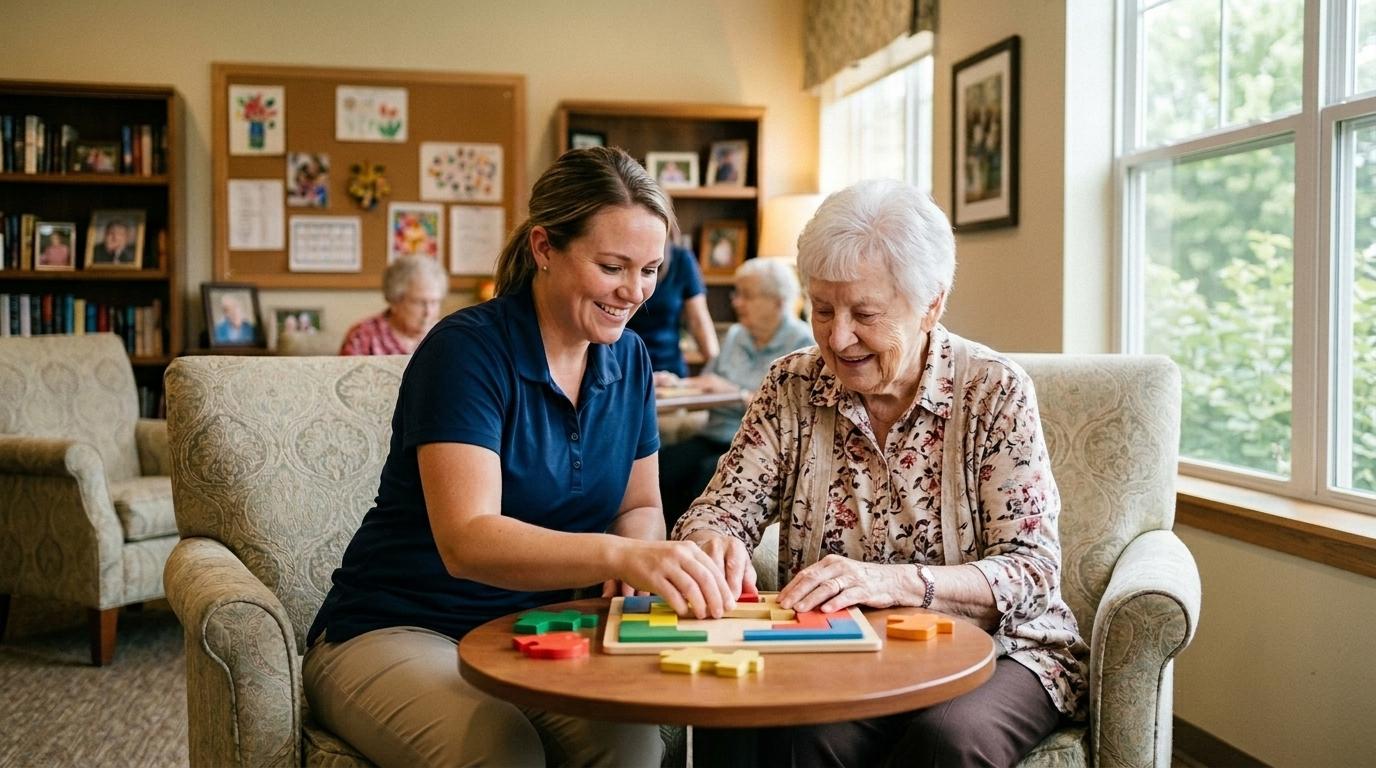
Speaking slowly and using short sentences helps your loved one follow along without feeling rushed. Make eye contact, use their name, and keep your tone warm and steady. Give them time to respond, because even a few extra seconds of patience can change how a conversation goes.
Try to limit background noise during conversations and come down to their eye level when you can. These small, physical adjustments send a quiet message that you’re fully there with them. Knowing when a move to memory care might be the right next step is another way to stay ahead of your loved one’s changing needs.
When Professional Memory Care Can Help
Caring for someone with dementia at home is an act of deep love, and it can also be genuinely tiring. Memory care communities offer trained teams who use gentle, supportive communication every single day. The routines are familiar, the environment is designed for comfort, and your loved one gets consistent, attentive care around the clock.
Families often find real relief in knowing their loved one is surrounded by people who truly understand dementia and how to respond to it with patience and warmth. The Alzheimer’s Association’s guidance on caregiver stress can also be a helpful companion as you navigate this season.
A Kinder Approach to Memory Care Starts with You
You don’t have to get it right every time. Compassion and patience, even when things feel hard, go further than any scripted response. Small shifts in language can reduce stress for both of you and keep your relationship feeling close.
At Fairway Pines Senior Living in Sauk Centre, the memory care program is built around exactly this kind of thoughtful, person-centered support. If you’d like to learn more or explore what senior living can look like for your family, a tour can be a wonderful first step.